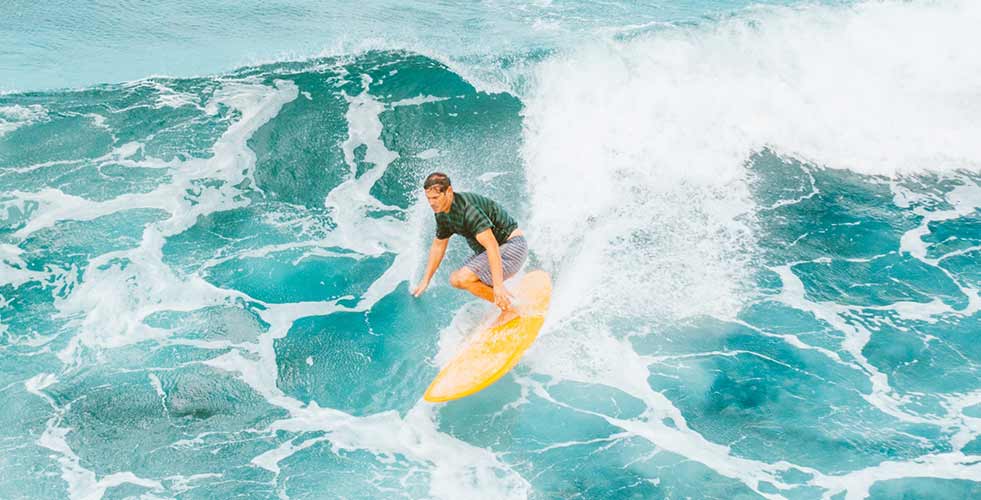
One of the most common comments after the first day of our surf course is that new clients tell the instructors is:”wow surfing is hard work!“
Surfing isn’t just about riding waves; it’s about being fit enough to paddle out, catch the wave and then ride the wave.
For beginners, having the right fitness routine can make all the difference. By focusing on exercises that build strength, balance, and endurance, you’ll be better prepared to handle the challenges of the ocean. Here are ten essential surf fitness exercises that every beginner should know.
Key Takeaways
- Building core strength is crucial for maintaining balance on the board.
- Improving flexibility and mobility helps prevent injuries.
- Cardiovascular conditioning boosts your endurance in the water.
- Upper body strength is essential for paddling and popping up on the board.
- Lower body power exercises improve your ability to generate speed and control.

The Importance of Surf Fitness
Benefits of Surf Fitness
Surfing is a demanding activity that requires a mix of strength, endurance, balance, and flexibility. Getting fit for surfing can help you catch more waves and stay out in the water longer. Here are some benefits of surf fitness:
- Improved overall health and well-being
- Enhanced balance and coordination
- Increased stamina and endurance
- Better muscle strength and flexibility
Impact on Surfing Performance
Your fitness level directly impacts your surfing performance. When you are fit, you can paddle faster, pop up quicker, and ride waves with more control. Surf exercises help you build the necessary strength and endurance to handle different surfing conditions. This means more fun and less fatigue during your surf holiday.
Training Principles for Beginners
For beginners, it’s essential to start with basic exercises that build a strong foundation. Focus on core strength, balance, and flexibility. Here are some training principles to keep in mind:
- Start slow and gradually increase the intensity
- Incorporate a variety of exercises to target different muscle groups
- Consistency is key; aim for regular workouts
- Listen to your body and rest when needed
Improving your surfing starts with getting fit on land. By following these principles, you’ll be better prepared to tackle the waves and enjoy your time in the ocean.
CORE STRENGTH EXERCISES
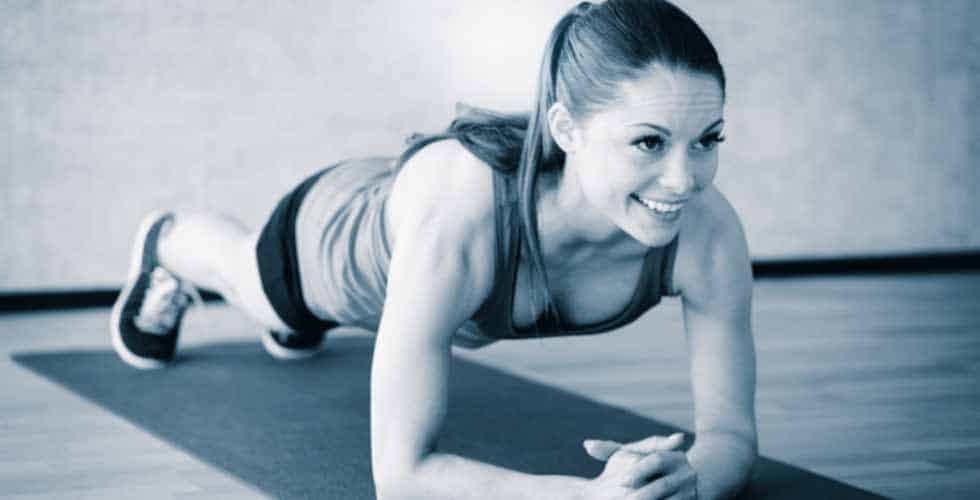
Plank Variations
Plank variations are essential for building a strong core. They target multiple muscle groups including the abs, back, and shoulders. Start with a basic plank and gradually try more challenging versions like side planks and plank jacks.
Russian Twists
Russian twists are great for improving rotational strength. Sit on the floor with your knees bent, lean back slightly, and twist your torso from side to side while holding a weight or a medicine ball. This exercise helps in enhancing your balance and stability.
Leg Raises
Leg raises focus on the lower abs. Lie flat on your back with your legs straight. Lift your legs towards the ceiling while keeping them straight, then slowly lower them back down without touching the floor. This move is excellent for building lower abdominal strength.
Consistent practice of these core exercises will significantly improve your surfing performance by enhancing your balance and stability on the board.
BALANCE AND STABILITY TRAINING
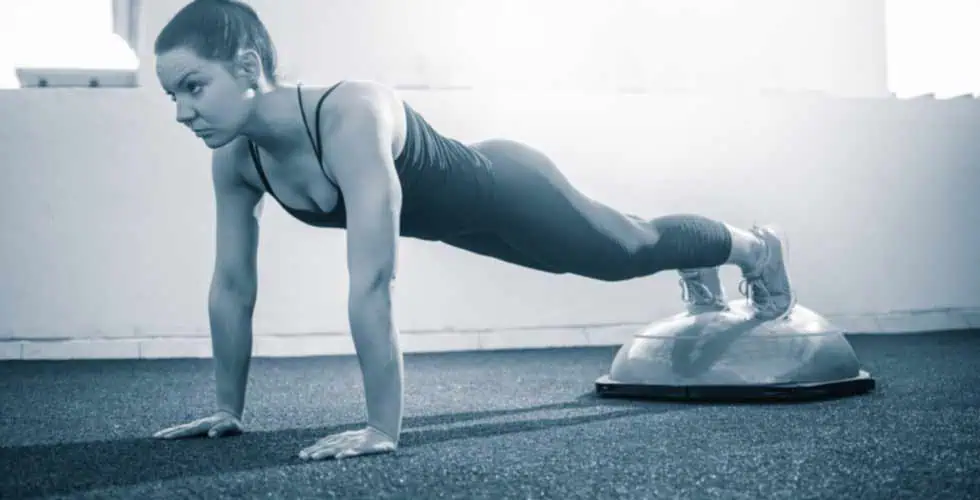
Bosu Ball Exercises
Bosu balls are excellent for improving balance and stability. They challenge your core and leg muscles, helping you stay steady on your surfboard. Start with basic exercises like standing on the Bosu ball and progress to more complex movements like squats and lunges.
Single-Leg Exercises
Single-leg exercises are crucial for surfers. They help in building strength and stability in each leg individually. Try exercises like single-leg deadlifts and single-leg squats. These moves will enhance your balance and coordination, making it easier to manoeuvre on the waves.
Balance Board Workouts
Balance boards are a fun way to train your balance and leg endurance. Begin by standing on the board and finding your centre. Once comfortable, try bending your knees and shifting your weight from side to side. For an added challenge, attempt jumps and 180-degree turns. Consistency in these exercises will significantly improve your surfing skills.
Balance and stability are key components in surfing. Regular practice of these exercises will not only enhance your performance but also reduce the risk of injuries.
FLEXIBILITY AND MOBILITY ROUTINES
Dynamic Stretching
Dynamic stretching involves moving parts of your body and gradually increasing reach, speed, or both. This type of stretching is essential before surfing as it warms up your muscles and increases your range of motion. Performing dynamic stretches can help prevent injuries and improve your overall performance on the waves. Examples include leg swings, arm circles, and torso twists.
Foam Rolling Techniques
Foam rolling is a form of self-myofascial release that helps to relieve muscle tightness and improve blood flow. By using a foam roller, you can target specific muscle groups that are commonly used in surfing, such as the calves, quads, and back. Regular foam rolling can enhance your flexibility and reduce muscle soreness, making it easier to paddle and pop up on your board.
Yoga for Surfers
Yoga is an excellent way to improve both flexibility and mental focus, which are crucial for surfing. Poses like Downward Dog, Warrior II, and Pigeon can help stretch and strengthen the muscles you use while surfing. Additionally, yoga promotes better balance and stability, which are essential for maintaining control on your board. Incorporating yoga into your routine can lead to a more harmonious connection between your mind and body, enhancing your surfing experience.
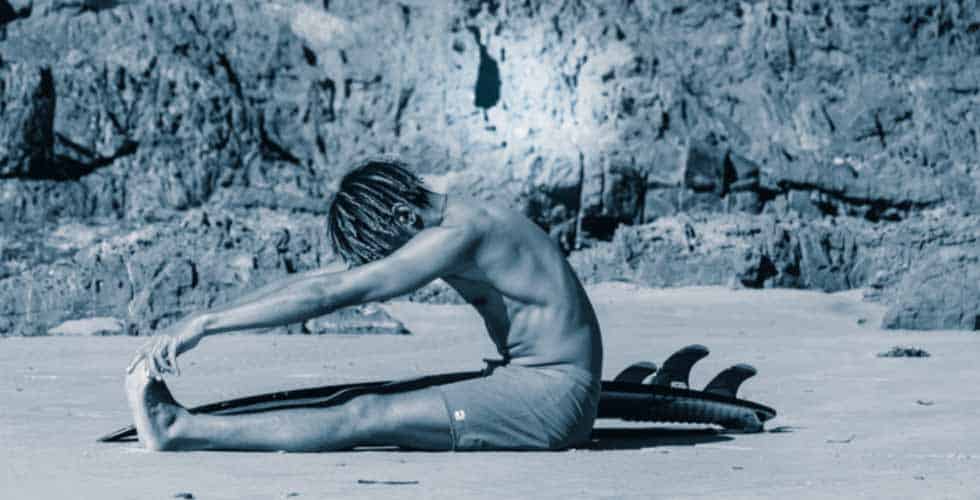
Flexibility and mobility are key components of surf fitness. They not only help you perform better but also keep you safe from injuries. Make these routines a regular part of your training to stay agile and ready for the waves.
CARDIOVASCULAR CONDITIONING
Interval Training
Interval training is a powerful way to boost your cardiovascular fitness. It combines short bursts of intense activity with periods of rest or low-intensity exercise. This method helps improve both aerobic and anaerobic systems, which are crucial for surfing. For example, you can alternate between sprinting and jogging. This not only builds endurance but also prepares your body for the quick, explosive movements needed in surfing.
Swimming Drills
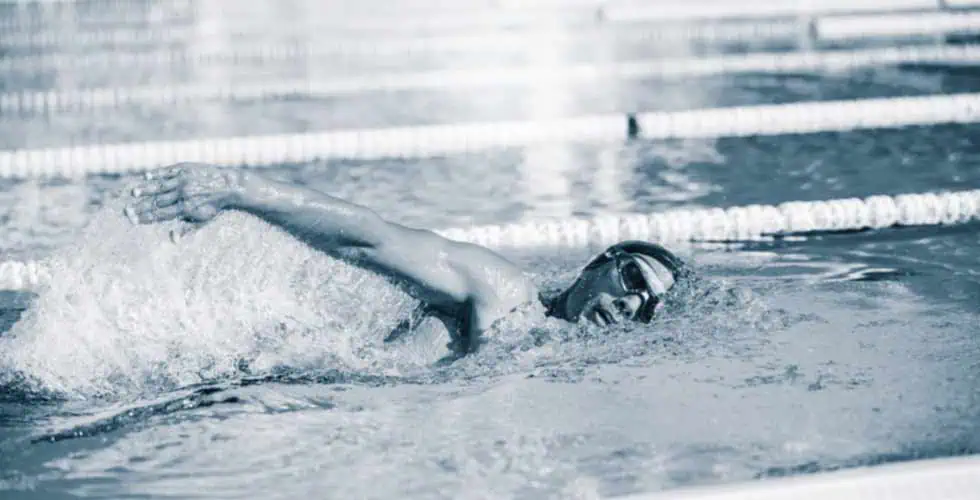
Swimming is an excellent full-body workout that enhances your cardiovascular health. To make the most of it, break your swim into intervals. Alternate between fast, intense laps and slower, more relaxed ones. This mimics the varying intensities you’ll experience while surfing. If you’re not a strong swimmer, consider taking lessons to build your confidence and skills in the water.
Cycling for Endurance
Cycling is another great way to build cardiovascular endurance. It strengthens your legs and improves lung capacity, both of which are essential for long surf sessions. You can incorporate interval training into your cycling routine as well. Alternate between high-intensity sprints and steady, moderate-paced cycling to maximize your endurance and stamina.
Cardiovascular conditioning is not just about building endurance; it’s about preparing your body for the dynamic and unpredictable nature of surfing. By incorporating interval training, swimming drills, and cycling into your routine, you’ll be well-equipped to handle the physical demands of the sport.
UPPER BODY STRENGTH WORKOUTS
Push-Up Variations
Push-ups are a fundamental exercise for building upper body strength. They target the chest, shoulders, and triceps. Start with standard push-ups and gradually incorporate variations like diamond push-ups, wide-arm push-ups, and decline push-ups to challenge different muscle groups.
Pull-Up Progressions
Pull-ups are excellent for developing back and arm strength. Begin with assisted pull-ups using resistance bands or a pull-up machine. As you gain strength, progress to unassisted pull-ups and eventually to more advanced variations like chin-ups and wide-grip pull-ups.
Shoulder Stability Exercises
Strong shoulders are crucial for paddling and maintaining balance on the board. Incorporate exercises like shoulder presses, lateral raises, and front raises into your routine. Use light weights and focus on maintaining proper form to avoid injury.

Consistent upper body workouts will not only enhance your surfing performance but also reduce the risk of injuries. Prioritize these exercises to build a solid foundation for your surfing journey.
LOWER BODY POWER EXERCISES
Squat Variations
Squats are essential for building leg strength and stability. Start with bodyweight squats: stand with feet hip-width apart, bend at the knees and hips to lower yourself into a sitting position, then push back up through your heels. Repeat for 3 sets of 20 reps. For more challenges, try squat jumps. From the squat position, jump as high as you can and land with bent knees.
Lunges for Leg Strength
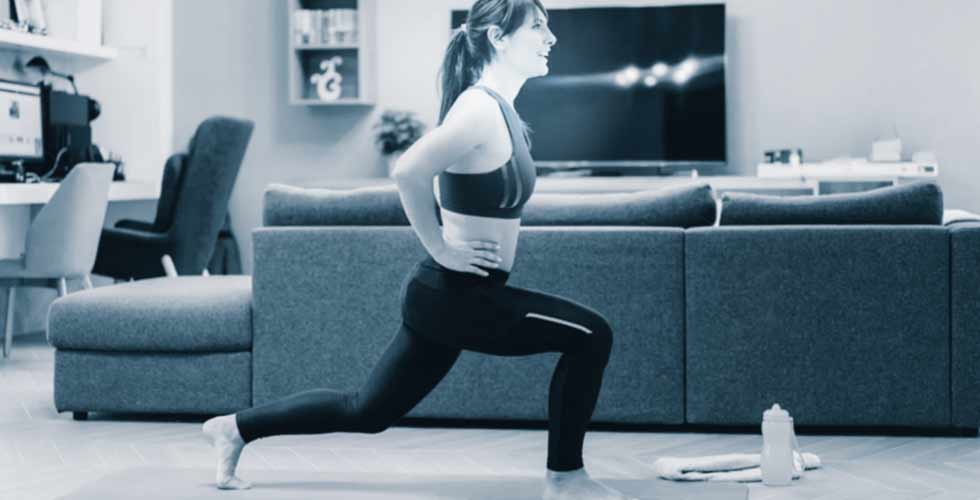
Lunges are excellent for targeting the quadriceps, hamstrings, and glutes. Take a large step forward and bend both knees so your back knee is just off the floor. Drive through your front leg to return to the starting position. Perform 3 sets of 20 reps on each leg. This exercise helps improve balance and coordination, which are crucial for surfing.
Plyometric Drills
Plyometric exercises, like jump squats and box jumps, are great for developing explosive power. These drills involve quick, powerful movements that mimic the dynamic actions required in surfing. Incorporate plyometric drills into your routine to enhance your lower body strength and agility.
Consistent lower body training will significantly improve your surfing performance by providing the strength and stability needed to ride waves effectively.
Boost your lower body strength with our top exercises designed to enhance power and performance. From squats to lunges, these workouts are perfect for athletes and fitness enthusiasts alike. Ready to take your training to the next level? Visit our website for more tips and detailed guides!
CONCLUSION
Surfing is more than just riding waves; it requires a blend of strength, balance, flexibility, and endurance. By incorporating these essential exercises into your routine, you can build the fitness needed to improve your surfing skills and enjoy the sport safely. Remember, consistency is key.
Start with the basics, and gradually increase the intensity as your fitness improves.
Whether you are practising core strength exercises, balance training, or cardiovascular conditioning, each workout will bring you one step closer to becoming a confident and capable surfer. So, stay committed, keep practising, and most importantly, have fun catching those waves!

FREQUENTLY ASKED QUESTIONS
Do I need to be a strong swimmer to start surfing?
It’s important to be comfortable in the water. If you’re not a strong swimmer, taking swim lessons in a pool can help build your confidence before you head to the ocean.
What should I do if I’m scared of big waves?
Start with smaller waves to build your confidence. Practice controlling your breathing to stay calm, and gradually work your way up to bigger waves.
How can I avoid injuries when learning to surf?
Surf on sandy beaches instead of rocky or reef areas. Always warm up before surfing and practice falling safely.
What should I do if I encounter dangerous marine life?
Always be aware of your surroundings. Shuffle your feet when entering the water to avoid stingrays and follow your instructor’s advice on how to stay safe.
How can I improve my balance for surfing?
Practice balance exercises like using a Bosu ball or balance board. Yoga can also help improve your balance and flexibility.
Is it normal to be afraid of deep water when surfing?
Yes, it’s normal. Make sure to let your instructor know about your fear so they can keep you in shallow water until you’re more comfortable.
What type of waves should beginners look for?
Beginners should look for waves that are no bigger than three feet. These smaller waves are easier to manage and safer for learning.
How can I get over my fear of rip currents?
Learn to identify rip currents by looking for choppy, brown water. If you get caught in one, stay calm and swim parallel to the shore until you’re out of the current.